Nobody cares about your Prosecco Event
Why fashion brands are moving into hospitality, how cafés build lasting customer relationships and what makes brand experiences worth returning to.
Why I’m writing this
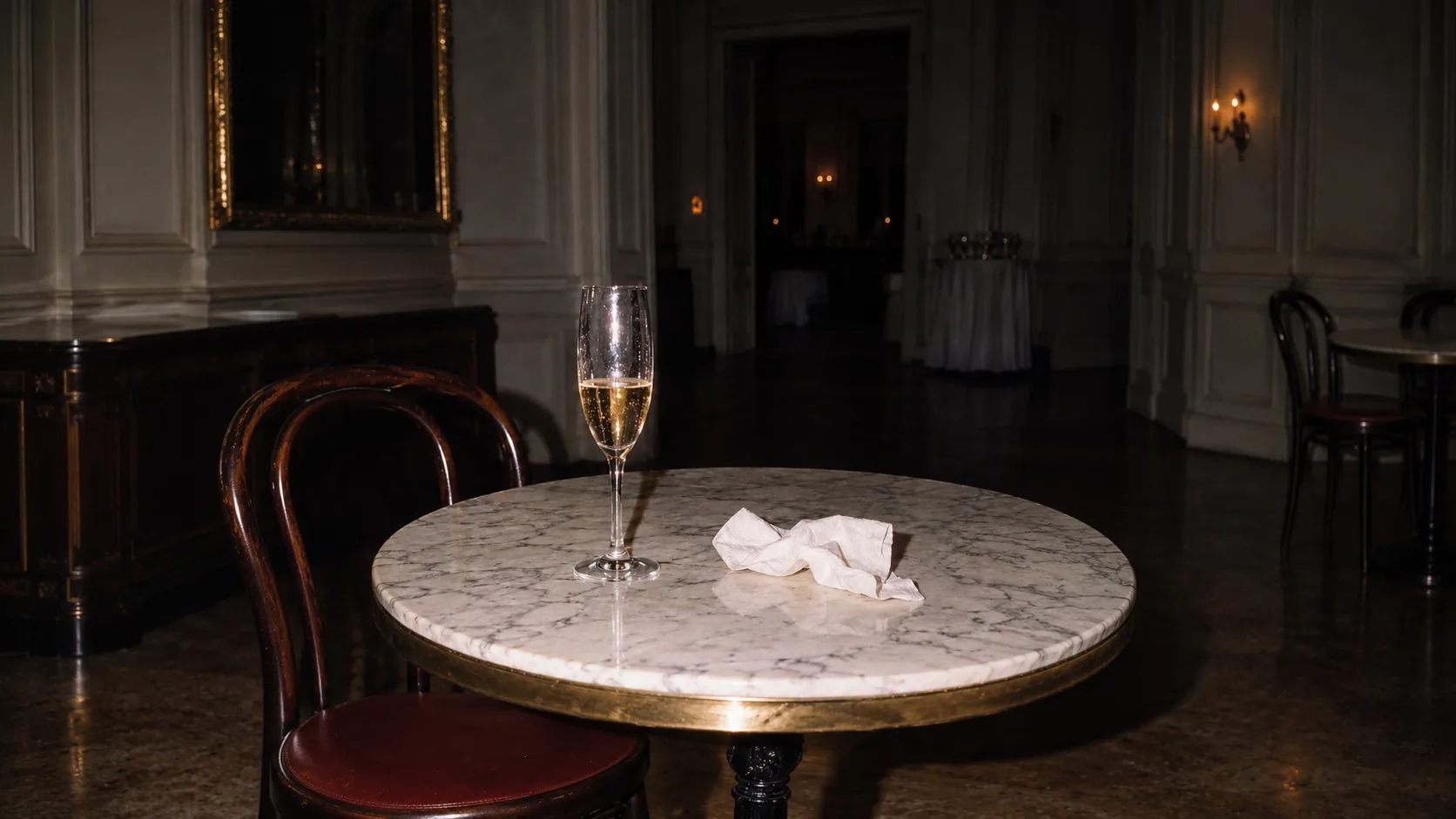
Most brand events are forgotten before the glasses are cleared. A rented venue, Prosecco, a DJ and a logo wall: swap the logo and nobody would notice.
Having built brands in almost 40 markets, I see the same reflex everywhere. When a brand needs attention, it books an event. Meanwhile, the brands people actually talk about have stopped throwing parties. They open places people come back to.
The market: fashion moves into hospitality
Cafés have become a business line for fashion brands, not a one-off stunt. Ralph Lauren started early; others followed in the last three years.
- Ralph Lauren (since 2014, Fifth Avenue): Ralph’s Coffee, now 40+ locations worldwide; earlier RL Restaurant (Chicago) and Polo Bar (New York).
- Louis Vuitton (2020; 2024): Le Café V in Osaka; first US café in the New York flagship.
- Prada (2023): Prada Caffè at Harrods, its first restaurant under its own name; owns pastry shop Marchesi 1824 since 2014.
- Coach (by 2025): coffee shops inside stores, profitable on their own; 3 open, 20+ planned.
McKinsey’s State of Fashion 2026 sees the same shift: brands moving into well-being “third spaces”, and more than half of executives naming customer retention a key theme for 2026.
Why it works
A café works because it changes the relationship, not because it sells coffee. Three mechanics do the work:
- Frequency. People buy a coat a few times a year. They buy coffee every morning. Every visit is brand contact without a sales pitch.
- A low entry ticket. A bag can cost around $5,000; a coffee around $15. People who aren’t ready to buy can still step into the house.
- Belonging. The table is the real product: people like you, in a place that could only be this brand. That is what gets photographed and shared.
The audience it reaches is young. Coach reports that nearly 70% of its new customers in recent years are Gen Z or Millennials, a group that delays big purchases but engages heavily with brand experiences.
Why it fails
Most brand events, and many brand cafés, fail for one reason: they are generic.
- One-off. An event is a peak with nothing after it. Nobody has a reason to come back.
- Interchangeable. Prosecco, a DJ, the usual guest list. If you can swap the logo, the evening does nothing for the brand.
- Merch, not a place. A logo on a paper cup is not a world. Ralph’s works because it looks, tastes and sounds like Ralph Lauren.
- Too big. Brands assume it takes a flagship café. The budget never comes, so nothing happens at all.
Playbook: you don’t need a café, you need a reason to meet
- Define your community. Not a target group, a circle: people who share something with your brand.
- Find where they already meet. Start there instead of renting a venue.
- Pick a ritual only your brand could host. A run club for a sportswear label, a breakfast for a tailor’s clients, a repair day for a denim brand.
- Keep it small, recurring and physical. Same place, same rhythm, every month. Let regulars bring someone.
- Measure return visits, not attendance. A full room once is an event; the same faces again is a community.
One test before any brand moment: would anyone notice if we swapped the logo?
Sources


More insights